
The use of stem cells and tissues in sports is based on a number of fundamental properties of the stem cells themselves
- Unlike somatic cells, stem cells (SC) retain a unique genetic potential without ongoing specialization.
- The main distinguishing feature of SC is its ability to self-reproduce, and, unlike somatic cells, SC divide asymmetrically – one of the daughter cells gives rise to a specialized cell line, and the second retains toti-pluri- or multipotency of the genome.
- During SC division, there is no activation and expression of a whole complex of genes, as during the division of a normal cell. This allows SC to be introduced into the recipient’s body without donor-recipient typing.
- SCs introduced into the athlete’s body, due to the above qualities, replace damaged cells – tissues, muscles, ligaments, etc. Since athletes lead a stressful lifestyle (training, games, etc.), their body needs regular renewal of all damaged muscles and tissues, and, in addition, athletes need recovery after training and games. According to our observations, recovery processes after the introduction of SC increase several times, athletes recover faster and better than in the control groups.
- In addition, SC introduced into the athlete’s body can significantly increase strength endurance in the game, due to better oxygen supply to the working muscles, as well as the removal of decay products formed in the athlete’s body during the game or training.
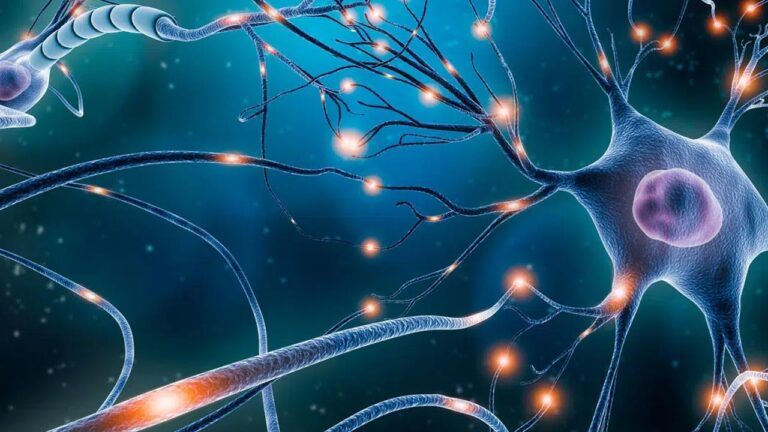
- In addition, transplantation of a special type of SC – “neural stem cells” into the athlete’s body significantly improves muscle neurotrophy, which improves the athlete’s reaction speed. These specific SC can improve the functioning of the brain and spinal cord by replacing lost cellular elements, as well as by restoring damaged nerve areas. It has been proven that this type of SC differentiates into neurons, astrocytes and oligodendrocytes.
- SC can be transplanted into the athlete’s body at different stages of his sporting life. SC transplantation can be a) before the training cycle, b) after the training cycle, c) before important games, etc.