Angiogenesis and regeneration processes
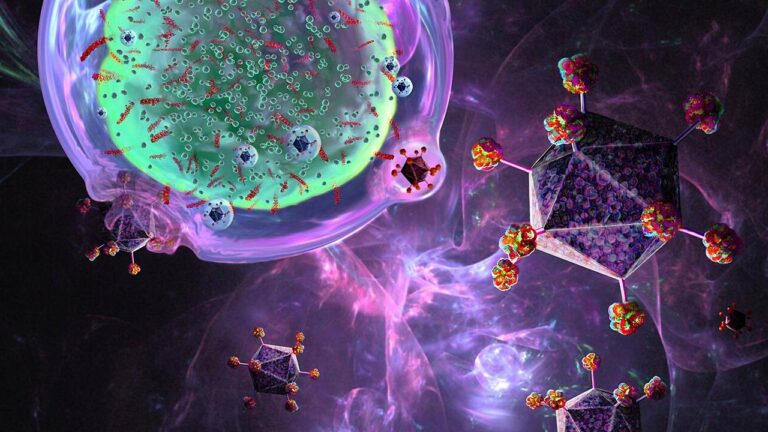
The use of stem cells in cosmetology and plastic surgery is a new, revolutionary direction in the modern practice of cosmetology salons and plastic surgery clinics. Clients, as well as doctors of plastic surgery clinics, often do not imagine all the possibilities that open up before them when using the entire arsenal of cell therapy. I would like to note that the use of cell therapy is based on the scientific foundation of almost fifty years of development of Soviet science. Cell therapy entered the field of practical application at the turn of the 80s-90s of the last century. Recently, cell transplantation, as the most physiological option of replacement therapy, is becoming more widespread.
This method is considered as an alternative or independent method of correcting the functional failure of some organs and tissues. Many researchers consider stem cell transplantation as a method that is, to a certain extent, an alternative to organ transplantation.
If we supplement the definition of the American government organization engaged in licensing medical drugs and technologies – FDA, then under cell therapy it is necessary to understand the following – cell therapy is a clinical direction based on the introduction into the patient’s body of living stem cells of all types, subjected to preliminary processing or modification ex vivo, for a targeted therapeutic effect on the body in order to change (modify, improve, restore or replace) the lost function of an organ or tissue.
Thanks to fundamental research in developmental biology and immunology of the processes of adaptive growth, proliferation and their disorders, the organ-specificity of the effect of cell and tissue transplants on homologous organs and tissues has been proven, a method for inductively restoring the lost ability of organs and tissues to regenerate has been discovered. In addition, many biological molecules (tropic factors) participate in the induction of the regeneration process and carry out fine regulation of recovery processes in altered organs and tissues in combination with the nervous and endocrine systems of the body.
Thus, the effect of using cell therapy in regenerative processes is more pronounced than when using traditional methods of recovery. This is due to the compensation of the functional insufficiency of the recipient’s affected organ by transplanted cells, as well as the prolonged flow of a wide range of organ-specific biologically active substances (BAS) from the transplant to the recipient’s body, which compensate to a more complete extent than other methods for the missing components of regulation of the first phase of the regeneration process.
Tissue and organ biologically active substances have long been used in clinical practice. The severity of the organ-specific effect of the preparations is noted. In addition, a number of authors believe that the enhancement of regenerative processes during stem cell therapy suppresses malignant growth, introducing oncogenesis (proliferation without differentiation) into the framework of physiological proliferation with differentiation. Published in vitro results (Kardamini, 1990) indicate a stimulating effect on the synthesis of deoxyribonucleic acid (DNA) in cultured cardiomyocytes extracts from embryonic and adult myocardium.
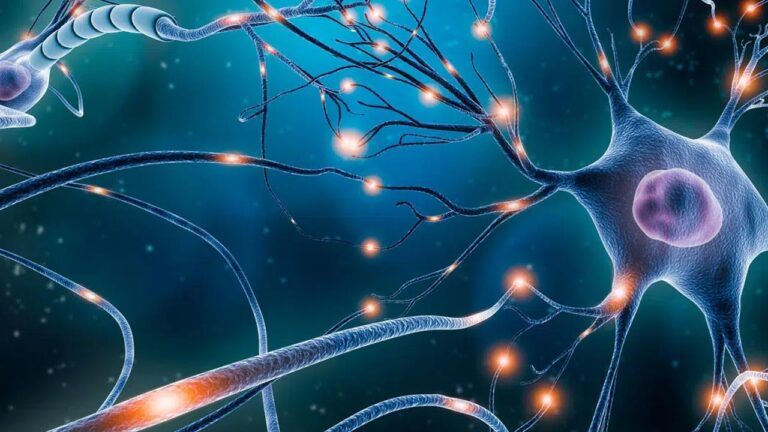
Speaking about the use of cell therapy, it is necessary to note one more point – stimulation of angiogenesis. The most intensive angiogenesis occurs at the stage of embryonic development and somatic growth. This is necessary to maintain an optimal ratio between the rapidly increasing tissue volume and the total surface area of the capillaries to maintain adequate tissue perfusion. This explains the high content of various growth factors in embryonic tissues and cells that are directly involved in angiogenesis.
In almost all experimental studies on replacement cell therapy with embryonic cells, the authors note a pronounced vascularization of the implantation site during histological examination. Angiogenesis is of great importance for maintaining the functional and structural integrity of the body throughout life. Such angiogenesis is called physiological (during healing, inflammation, and also in the female reproductive cycle). New vessels arise as capillaries that branch off from existing small vessels.
Endothelial cells, which will form a new capillary in the future, grow from the wall of an existing capillary or small venule, releasing thin, long pseudopodia, then a massive process is formed, which later becomes hollow and turns into a tube. This process continues to lengthen until it meets another capillary, with which it connects, creating a path for blood circulation. Needless to say, such properties (and far from all) of stem cells are capable of bringing the methods used in plastic surgery and cosmetology to a new level.
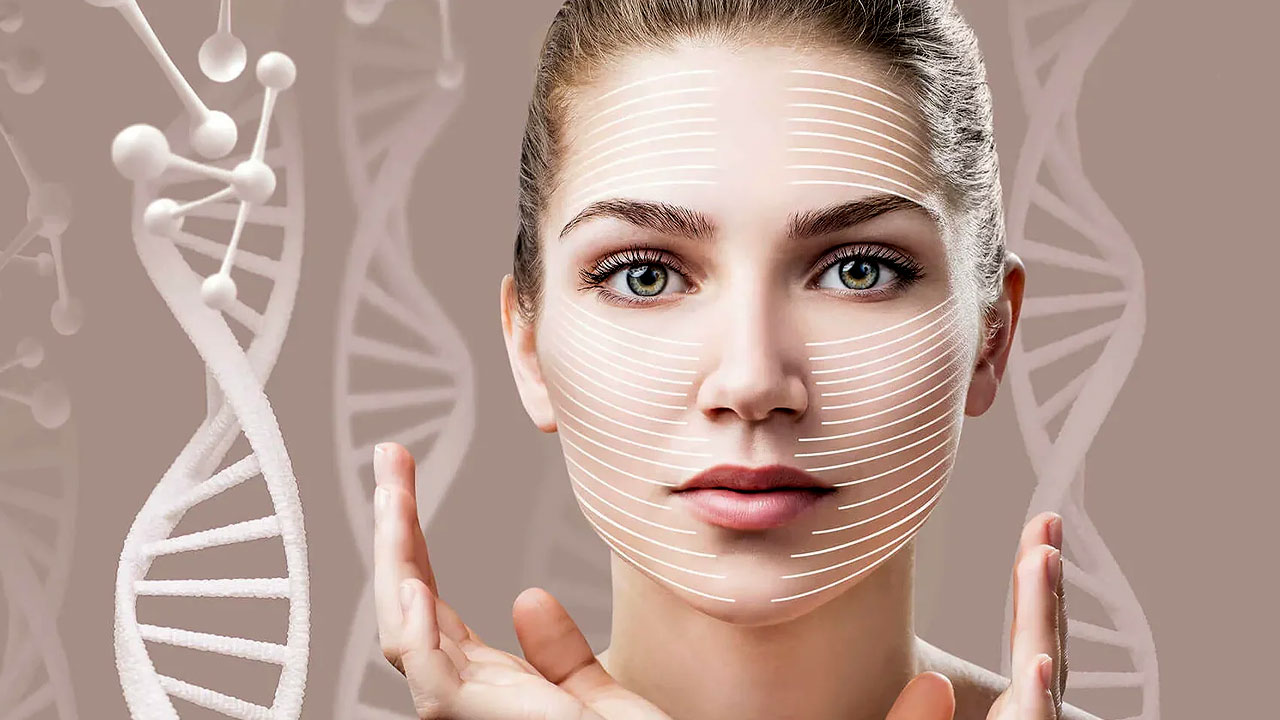
The use of stem cells in combination with hardware methods in cosmetology allows achieving a more pronounced and longer-lasting effect. All procedures related to rejuvenation of the skin of the face, neck, etc. directly depend on nutrition and supply of the skin with all the necessary substances. And this is directly related to the presence of a widely branched system of capillaries in the skin. With age, this system becomes smaller, nutrition deteriorates, and hence all the problems associated with skin aging arise. With neoanginizia, the effects of cosmetology procedures will be much better and last much longer than with the traditional approach.
In addition, when using stem cells in combination with plastic surgeries, such as rhytidectomy, blepharoplasty or mammoplasty, it will speed up all regenerative processes, shorten the rehabilitation period, and minimize all possible complications after surgical interventions.
Thus, modern methods of cell therapy allow doctors and cosmetologists to obtain more predictable, more effective results that will satisfy the most demanding clients.