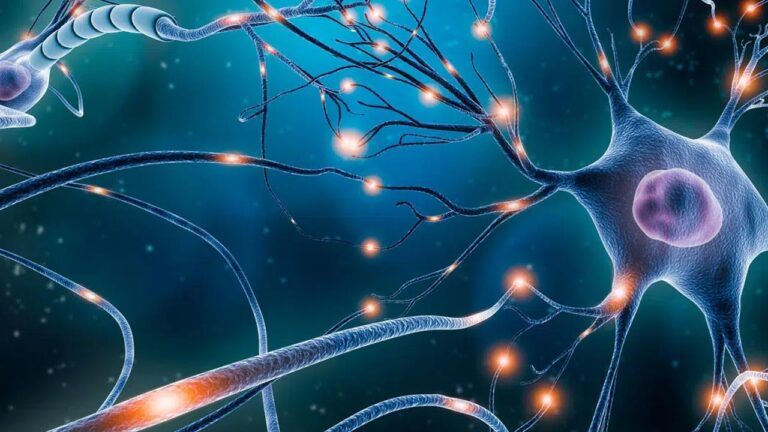
As is known, the eye and its inner shell – the retina – are part of the nervous system, located on the periphery. Everyone also knows that the nervous system does not recover. Most doctors of traditional medicine have formed the opinion that there are a number of diseases that lead to disability and are not treatable. But alas, this opinion is wrong. Today, technology has gone far ahead and the situation has changed radically, but not everyone knows about it.
Retinal diseases can be hereditary and acquired (due to injuries, infections, atherosclerosis and hypertension, diabetes, due to age-related changes). Retinal dystrophies are divided into central and peripheral. In most cases, vision loss is caused by pathology of the central zone of the retina. Peripheral degenerations can lead to a narrowing of the visual field or cause retinal detachment.
Diseases that can be treated with stem cells: retinitis pigmentosa, partial optic nerve atrophy, optic nerve atrophy in glaucoma, macular degeneration (including Stargardt, Best and other dystrophies), Fuchs’ spot (Fuchs’ dystrophy), diabetic angioretinopathy. The use of stem cells accelerates rehabilitation after retinal detachment surgeries. And these are far from all the diseases we treat.
The action of stem cells is based on the ability to replace damaged cells, improve the trophism of the optic nerve due to the additional capillary network, correct intracellular trophism, normalize the work of enzymes, the exchange of chromoproteins, nucleoproteins, replace damaged neuroreceptors, ganglion cells and retinal pigment epithelium cells. With the help of stem cells, it is possible to achieve improved visual acuity, expand the field of vision and obtain stable remission of the disease.
The effect of the therapy:
- Pigmentary retinitis (pigmentary retinal abiotrophy) – improved visual acuity and expanded visual field, slowed progression of blindness, put the disease into stable remission.
- Partial atrophy of the optic nerve – increased visual acuity and expanded visual field.
- Atrophy of the optic nerve in glaucoma (with compensated intraocular pressure) – neuroprotection and expansion of the visual field boundaries.
- Macular degeneration (including Stargardt, Best) – increased visual acuity and slowed further deterioration of vision.
- Rehabilitation after surgical retinal detachment – restoration of neural connections between the layers retina, trophic nutrition of nerve cells during and after mechanical and toxic action of silicone, stimulation of growth of new capillary networks for nutrition of the retina.
- Fuchs’ spot or Fuchs’ dystrophy (with high myopia) – improvement of visual functions and resorption of fresh and old hemorrhages.
- Diabetic angioretinopathy – angio- and neuroprotection, resorption of hemorrhages in the retina, improvement of the condition of the vascular endothelium, the ability of stem cells to lay a new network of vessels bypassing damaged ones, as well as to replace damaged cells, prevention of saturation of the retina with plasma and formation of drusen, reduction of the likelihood of hemorrhages in the vitreous body.
Treatment Methodology
Each patient is treated individually, after a preliminary vision diagnosis and a number of laboratory tests. Many factors are taken into account and the treatment procedure, routes of drug administration, specific preparatory therapy and the time required to achieve the desired result are developed. A very important stage in treatment is preparation for implantation, which is comparable to preparing the soil for sowing grain: poorly or unprepared soil does not yield a harvest. Drugs are administered depending on the indications and the disease: intravenously, intramuscularly, into the sub-Tenon space, parabulbar, retrobulbar, subconjunctival, paravertebral, endolumbar, sutured into the subcutaneous tissue,.
Treatment results directly depend on the duration of the pathological process and the cause of the disease. In some cases, repeated treatment is necessary to consolidate the results obtained. Hereditary diseases are not very treatable, but these diseases are not hopeless. There are many patients who were predicted to go blind by leading clinics and professors, but the results of treatment are directly opposite to the doctors’ assumptions.
The cost of treatment depends on the amount of cellular material used. The high cost of treatment is associated with high costs of obtaining the material, studying the safety of its use, and compliance with the rules for transporting and storing stem cells.